


Feed-in compensation drops again
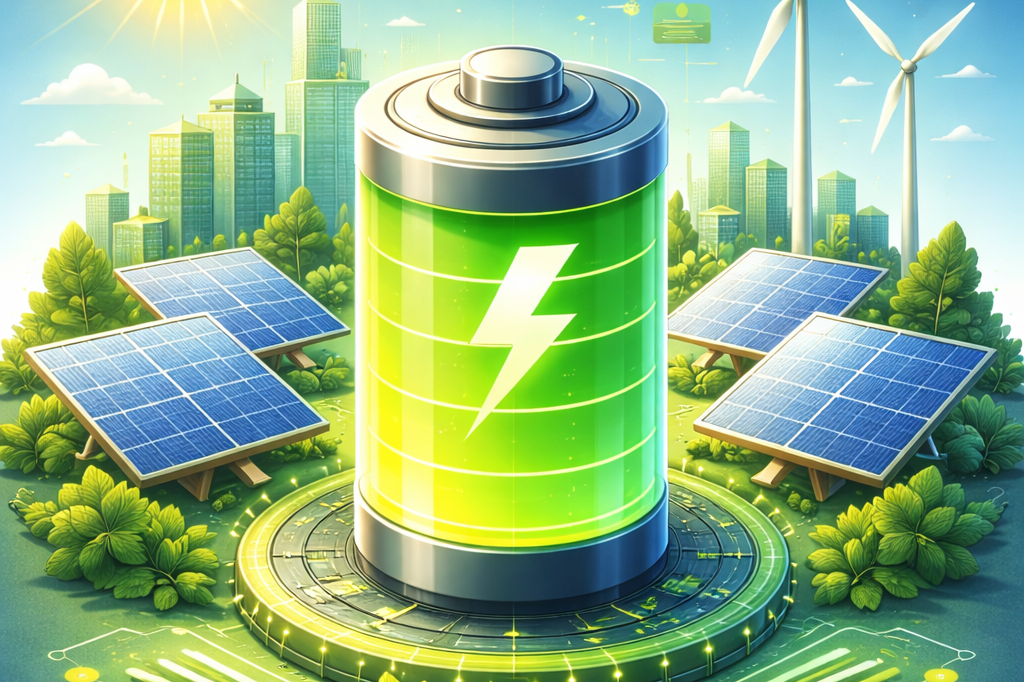
In recent months, several energy suppliers have lowered their feed-in tariffs again. This means that households with solar panels receive less compensation for the electricity they feed back into the grid.
For many solar panel owners, this feels like a setback. While energy suppliers made investing in solar panels attractive for years by offering good compensation for surplus energy, the playing field is slowly shifting.
Less compensation for feed-in energy
More and more energy contracts show that the compensation for electricity fed back into the grid is decreasing. In some cases, it involves a slight reduction; in others, a clear trend towards minimal compensation. Currently, the fixed compensation lies between €0.03/kWh and €0.07/kWh.
For instance, current Iberdrola customers with a feed-in tariff higher than €0.05 per kWh have received a message regarding a reduction of their compensation to €0.05 per kWh, as this is the new compensation rate for everyone. This has a simple consequence: anyone who generates a lot of solar power during the day but does not use it immediately receives less and less in return.
At the same time, rising electricity prices
On the other hand, we see that energy prices, although more stable than during the peak of the energy crisis, are rising slightly again. This means that drawing power from the grid is becoming more expensive. And that is precisely where a new solution is increasingly coming into focus: the home battery.
Home battery as a logical intermediate step
A home battery stores excess solar energy that you do not use immediately during the day. Instead of feeding that power back into the grid for a low fee, you can use it yourself later, for example in the evening or during cloudy moments.
The advantage is clear:
- Less dependence on the grid
- Less purchasing electriity at higher prices
- More self-consumption of your solar energy
In effect, you are shifting the value of your energy from “selling at a low price” to “saving on expensive purchasing yourself”.
When does a battery become interesting?
Whether a home battery is cost-effective depends on several factors:
- How many solar panels you have
- How much you consume during the day
- Your energy tariff and contracty type
- The price of the battery itself
However, due to declining feed-in tariffs and slightly rising electricity prices, the financial picture is becoming increasingly favorable for self-storage
Is this the time for the home battery?
The energy market is changing slowly but clearly. Lower compensation for feed-in and higher electricity prices mean that self-consumption is becoming increasingly important.
For households with solar panels, this can be a turning point: whereas feeding back into the grid used to be attractive, storing and consuming electricity yourself is now becoming increasingly appealing. Consequently, the home battery is increasingly emerging as the logical next step in the energy transition.
Do you want to know what the best solution is for you?
Feel free to contact our sales team for no-obligation, tailored advice.Baja de nuevo la tarifa de inyección a la red.